
A frozen air conditioner can leave your home warm, uncomfortable, and humid when you need cooling most. Ice on the indoor coil is not a sign that your system is working extra hard; it usually means airflow or refrigerant conditions are preventing proper heat transfer. If you need dependable air conditioning in Maumee, our team at AW Heating & Cooling can find the cause and restore safe, efficient operation.
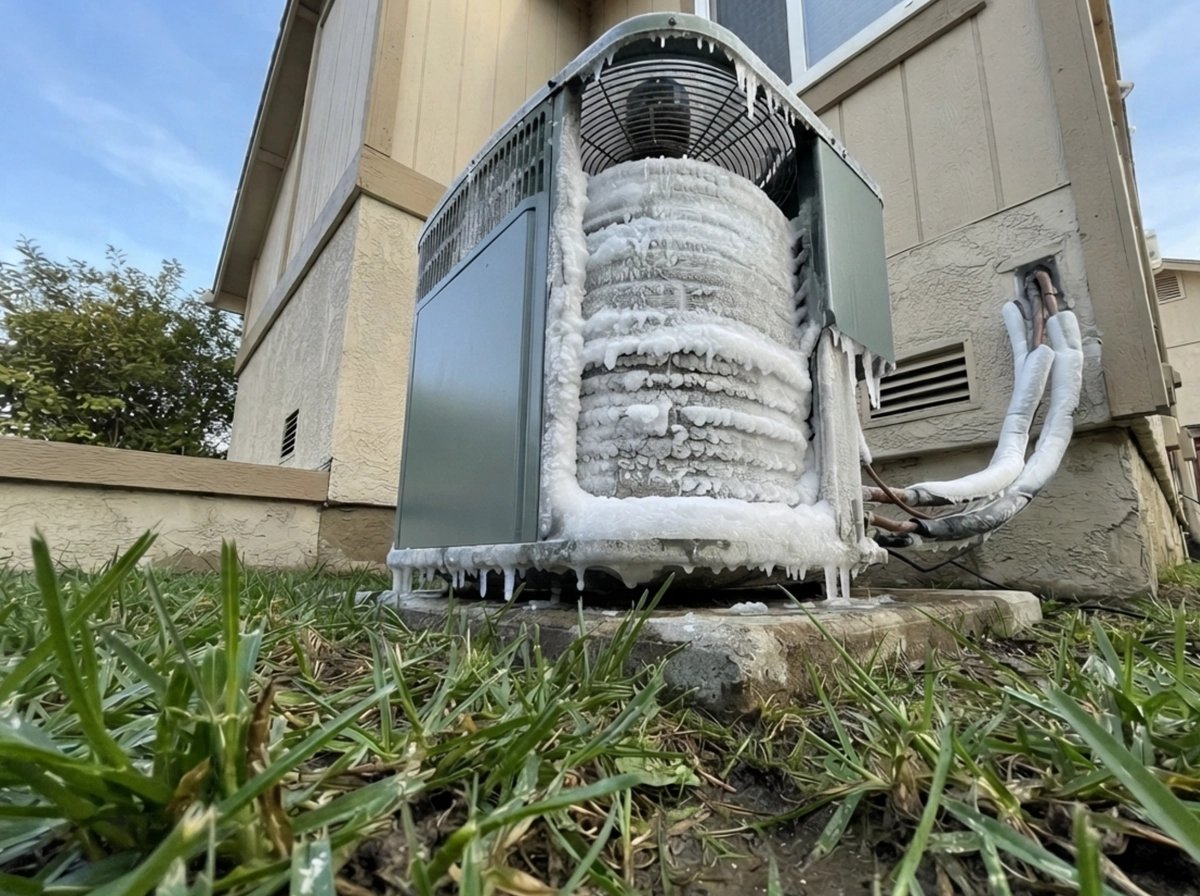
Restricted Airflow Is a Common Cause
Your evaporator coil needs a steady flow of warm indoor air to absorb heat. When airflow drops, the coil can become too cold, allowing condensation on its surface to freeze. A dirty air filter is one of the most common causes, but blocked return vents, closed supply registers, dirty ductwork, or a clogged coil can create the same problem.
We recommend checking your filter regularly and replacing it according to the manufacturer’s guidelines. Homes with pets, remodeling dust, or allergy concerns may need more frequent filter changes. Keeping furniture, rugs, and boxes away from vents also helps your system breathe properly.
Blower Motor and Fan Problems
Even with a clean filter, a weak or failing blower motor can reduce airflow across the coil. A damaged fan belt, dirty blower wheel, faulty capacitor, or electrical issue may keep the fan from moving enough air. You might notice weak airflow from the vents, unusual noises, or a system that runs without cooling the house.
These problems require professional diagnosis. Continuing to operate the system can increase ice buildup and place extra stress on the compressor.
Low Refrigerant or Refrigerant Leaks
Low refrigerant pressure can cause the evaporator coil temperature to fall below freezing. Because refrigerant circulates in a sealed system, low levels usually indicate a leak rather than normal use. Signs may include hissing sounds, longer cooling cycles, rising energy bills, and reduced comfort.
Adding refrigerant without repairing the leak is only a temporary fix. Our service professionals can inspect the system, locate the leak, explain the repair options, and recharge the equipment correctly when appropriate.
Dirty Coils and Drainage Issues
Dust and debris on the evaporator coil can interfere with heat transfer and restrict airflow. A clogged condensate drain may also contribute to excess moisture around the system. Routine maintenance allows us to clean critical components, inspect drainage, and catch developing problems before they lead to a frozen coil or water damage. Seasonal tune-ups also verify refrigerant pressures, electrical performance, thermostat operation, and airflow, giving you confidence that your AC is prepared for long summer cooling cycles without unexpected coil trouble.
What Should You Do?
If you see ice, turn off the cooling setting and switch the thermostat fan to “on” to help the coil thaw. Do not chip away the ice, because sharp tools can damage delicate coil fins or refrigerant lines. Once thawed, check the filter and make sure vents are open.
If freezing returns, schedule service promptly. We will identify the underlying cause instead of treating only the visible symptom, helping protect your comfort, equipment, and energy costs.
Contact AW Heating & Cooling, Your Comfort Specialists. We’re just a call away!